Proper food preservation is essential to prevent deterioration and ensure food safety. In this context, one of the most important factors is maintaining the cold chain.
The cold chain consists of keeping food at a controlled temperature throughout the entire process of storage, transportation, and distribution in order to prevent the growth of bacteria.
When this chain is broken, food can lose quality and even become a health risk. For this reason, maintaining proper temperature control is especially important in food services for large groups, such as food services in schools and educational centers or food services for senior care homes, where guaranteeing food safety is essential to protect the health of users.
What the Cold Chain Is
The cold chain is the set of processes that ensure refrigerated or frozen foods are kept at appropriate temperatures from production to final consumption.
This involves controlling temperature throughout all stages of the food chain:
- Production
- Storage
- Transportation
- Distribution
- Sale or consumption
Maintaining these conditions is especially important for perishable products such as meat, fish, dairy products, or prepared foods.
Why Maintaining the Cold Chain Is Important
Maintaining the cold chain allows food to remain in good condition and prevents the growth of microorganisms that can cause food poisoning.
Its main benefits include:
- Maintaining the quality and freshness of food
- Preventing bacterial growth
- Ensuring food safety
- Complying with health regulations
For this reason, companies that work with food must apply strict temperature controls in all logistical processes.
The Cold Chain in Food Distribution
In food distribution, especially for fresh or refrigerated products, maintaining the cold chain is a fundamental aspect.
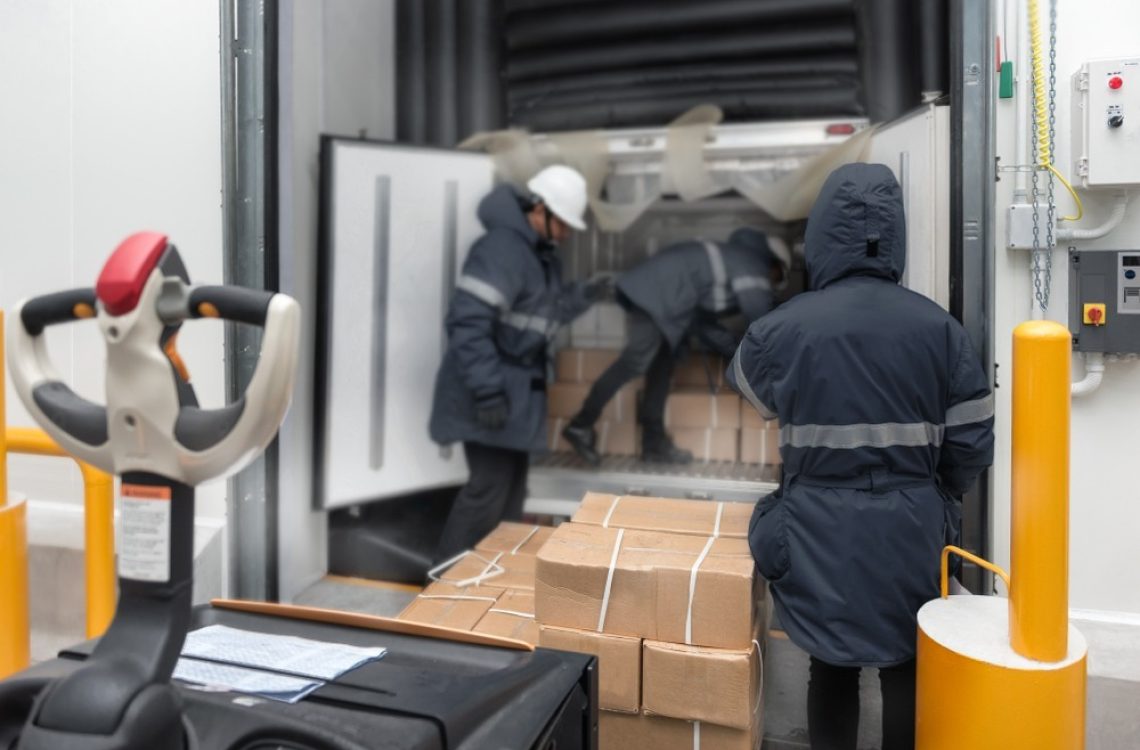
Refrigerated transport systems and temperature monitoring ensure that food arrives at professional kitchens, restaurants, or collective centers in perfect condition.
To guarantee this control during transport, it is important to have logistics solutions that allow different temperature ranges depending on the type of product.
At Central Borne, we use trucks divided into different temperature-controlled compartments, allowing refrigerated and frozen products to be transported in the same vehicle with real-time monitoring and traceability.
This ensures that the cold chain remains intact throughout the entire distribution process.
Frequently Asked Questions
What is the cold chain in food?
The cold chain is the process that keeps refrigerated or frozen foods at the correct temperature from production to consumption.
Why is the cold chain important?
Because it prevents bacterial growth, maintains food quality, and ensures food safety.
What happens if the cold chain is broken?
Food can spoil more quickly, lose quality, and become a health risk.
Which foods require the cold chain the most?
It is especially important for perishable foods such as meat, fish, dairy products, and prepared foods.